

 Finland
43.0%
Finland
43.0%
 Australia
21.0%
Australia
21.0%
 Bulgaria
10.0%
Bulgaria
10.0%
 Greece
4.0%
Greece
4.0%
 Romania
3.0%
Romania
3.0%
















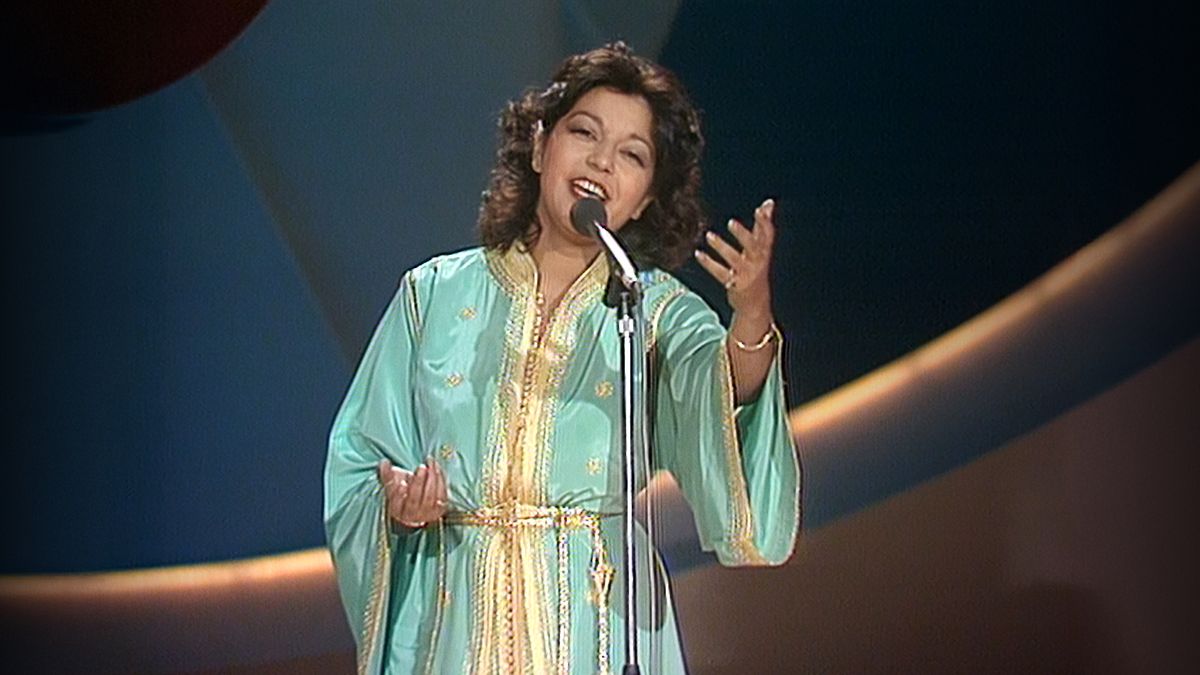
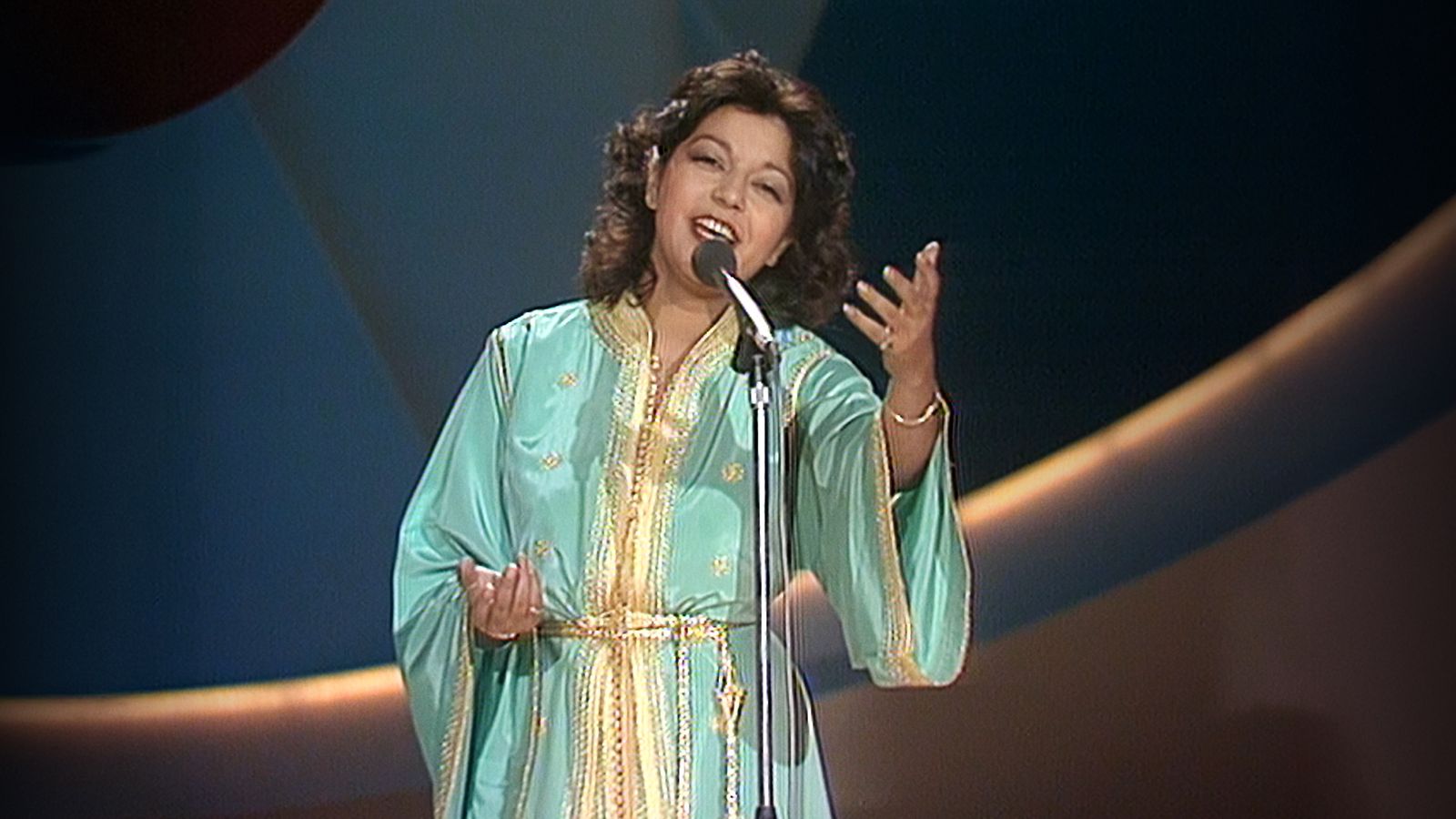
In 1980, during the 25th Eurovision Song Contest held in The Hague, Morocco participated for the first and only time. The entry, Bitakat Hob ("Love Card"), performed by Samira Bensaïd, marked a historic moment as the first song sung entirely in Arabic on the Eurovision stage.
Written by Abdel Ati Amenna and Malou Rouanne, Bitakat Hob conveyed a message of unity and love, with lyrics expressing a wish for a world without discrimination or hatred. Moroccan broadcaster RTM provided English translations of the lyrics ahead of the contest.
The 1980 contest featured a format where each participant was introduced with photographs taken at locations across the Netherlands. Samira was presented at The Hague's Scheveningen Harbour by Moroccan introducer Mohammed Bouzidi.
In terms of voting, Morocco received points only from Italy, which awarded 7 points. Morocco’s own jury notably gave their top 12 points to Türkiye and did not award any points to Ireland's winning entry, a rare occurrence. Ultimately, Bitakat Hob placed 18th out of 19 participants.
Following Eurovision, Samira released a French version of the song and it inspired a Greek cover as well. Samira Bensaïd, who later performed under the name Samira Said, went on to become a celebrated Arabic music superstar with numerous acclaimed albums across several decades.
Despite Morocco's absence since 1980, the country’s broadcaster, now SNRT, remains a member of the European Broadcasting Union. Samira herself still honors her Eurovision participation by performing Bitakat Hob, including recently at the 2024 Mawazin festival with a children’s choir.
No comments yet. Start the conversation.