




 Finland
0.4%
Finland
0.4%
 Australia
0.2%
Australia
0.2%
 Bulgaria
0.1%
Bulgaria
0.1%
 Greece
0.0%
Greece
0.0%
 Romania
0.0%
Romania
0.0%

























As the 70th edition of the Eurovision Song Contest marked a significant milestone, a newly published report by the European Broadcasting Union (EBU) highlights the extensive global impact of the 2026 Contest held in Vienna, Austria.
Massive Reach and Engagement
The 2026 Eurovision songs amassed over 583 million streams across audio and video platforms, with 16 songs exceeding 10 million streams each. Notably, 85% of these streams occurred outside the three-week contest period, emphasizing the event's lasting musical influence. The cumulative total for songs released between 2021 and 2025 reached 15 billion global streams, with standouts such as Bulgaria's winning song "Bangaranga" surpassing listeners of previous hits and topping Apple Music charts in 12 markets.
Diverse Languages and Representation
The contest featured performances in a record 22 languages, underscoring Eurovision's cultural diversity. Over half of the 35 entries included languages besides English, with six of the ten most-streamed songs performed in non-English languages. Finland's "Liekinheitin" and Greece's "Ferto" both secured spots in the top ten streamed songs.
Expanding Digital Footprint
Eurovision's digital presence continues to grow, with the 2026 season generating 2.1 billion views across major platforms such as TikTok — which surpassed four million Eurovision followers — Instagram, Facebook, and YouTube. The Grand Final attracted 5.43 million unique YouTube viewers, representing a notable increase from the previous year. Online community engagement also expanded, with significant activity on the r/eurovision subreddit and the official Eurovision WhatsApp group.
Connecting with Younger Audiences
The report highlights a shift toward a younger demographic engaging with Eurovision, with 22% of the Grand Final audience under 35 years old — more than double typical ratings. Among viewers aged 15-24, the contest achieved an average 54.8% viewing share. Digital platforms like TikTok were particularly effective in reaching these younger fans.
Economic and Cultural Impact on Vienna
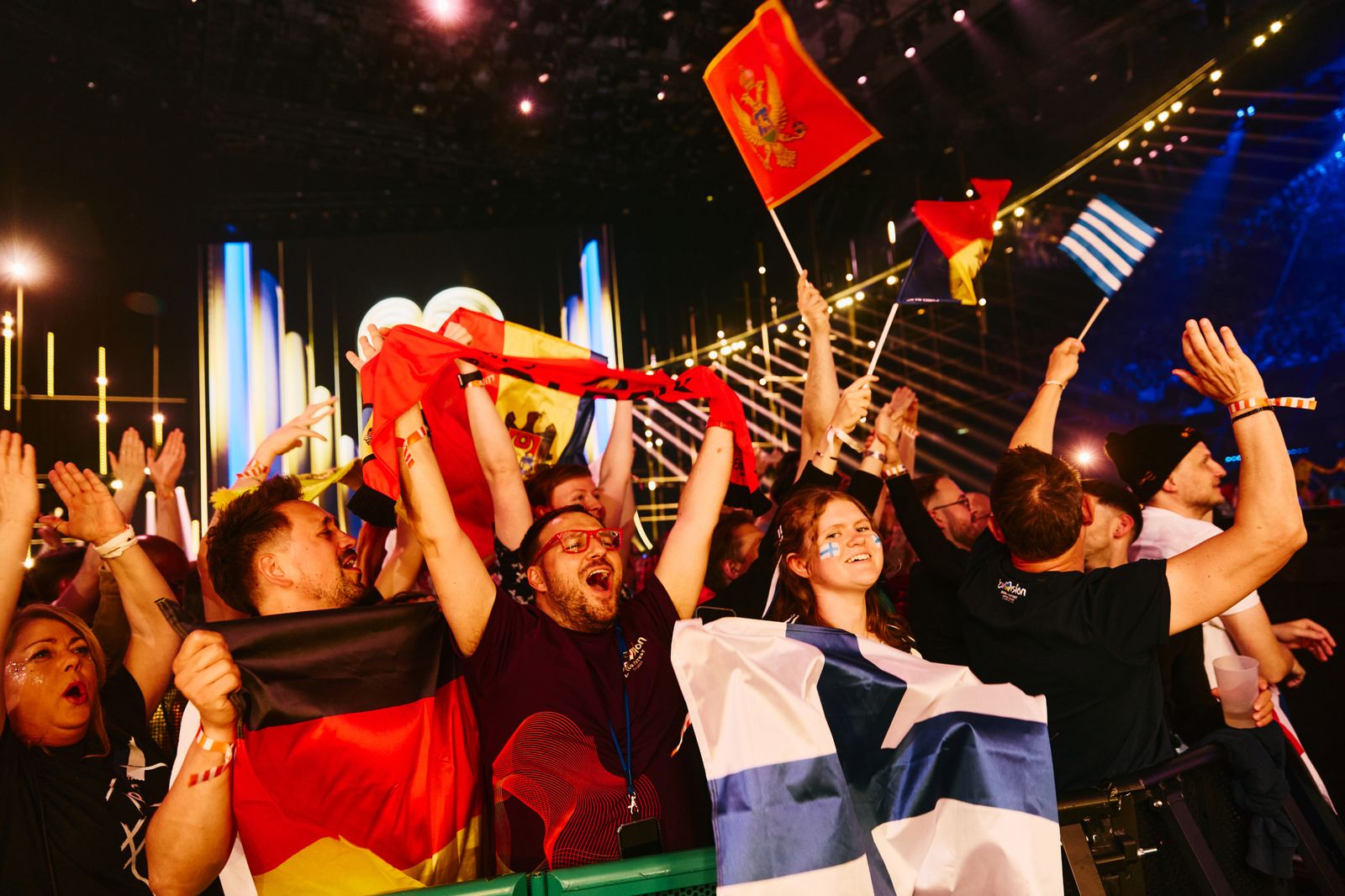
The event attracted 87,000 ticket holders from 86 countries, with approximately 40% traveling internationally. Eurovision-related events extended across 13 venues citywide, including the Eurofan House and various museums, integrating the contest into Vienna's broader cultural fabric. The contest generated around €57 million in economic benefits for the city and supported approximately 550 full-time equivalent jobs. Accommodation revenues surged by 7% compared to the previous year, reinforcing Eurovision's strong tourism impact.
Accessibility and Inclusion Enhancements
Efforts to increase contest accessibility included sign language interpretation of all 35 songs by nine international Deaf performers and services such as audio description, speech-to-text, and support for hearing aids and neurodivergent visitors. Vibration vests enabled Deaf and hard-of-hearing fans to experience the music physically.
The Eurovision Family Keeps Growing
Looking ahead, the Eurovision Song Contest Asia is set to debut live from Bangkok in November 2026, while the Junior Eurovision Song Contest will return to Malta in October, continuing the tradition of providing artists with a worldwide platform and uniting audiences through music.

No comments yet. Start the conversation.